
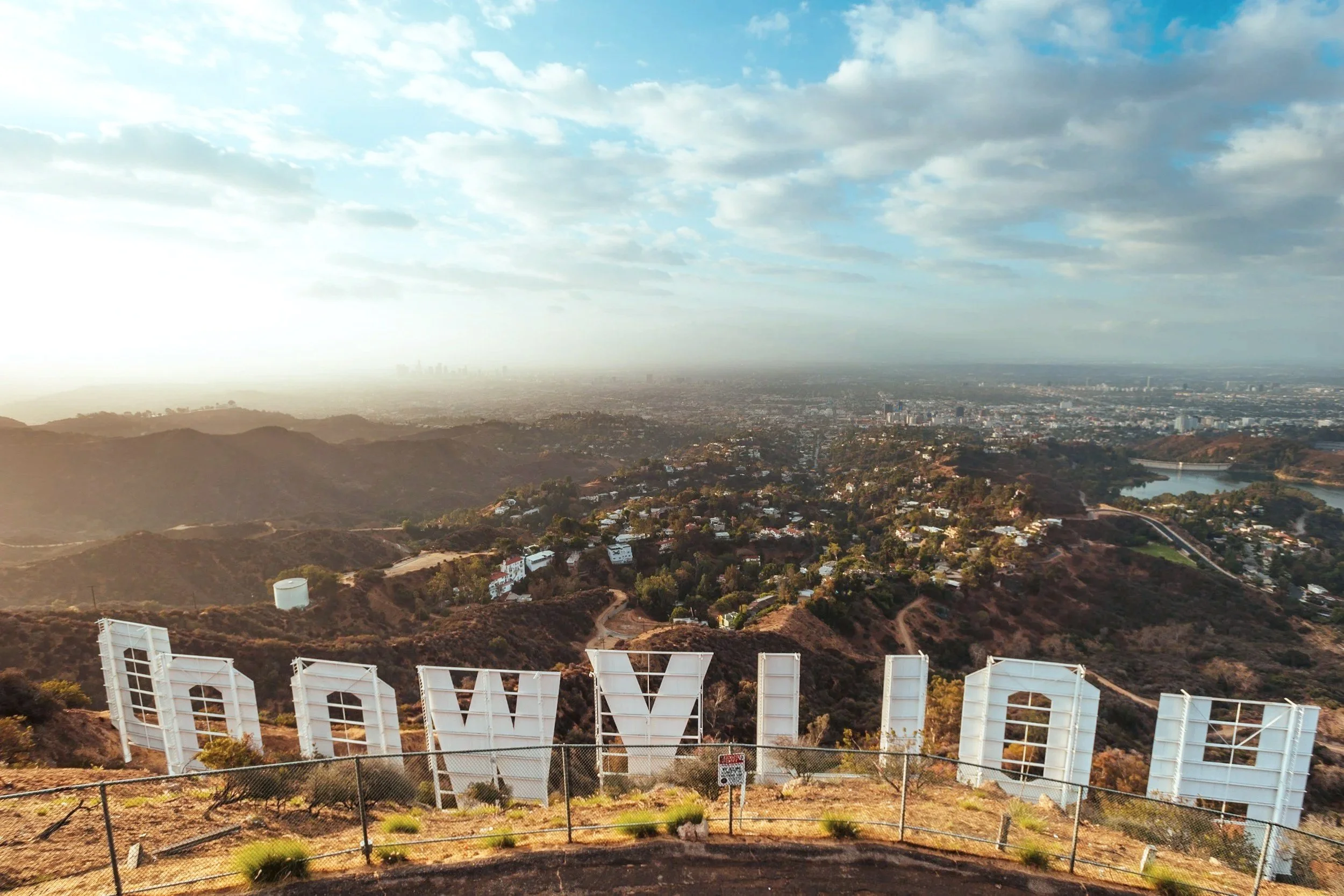
LA2028 for brands
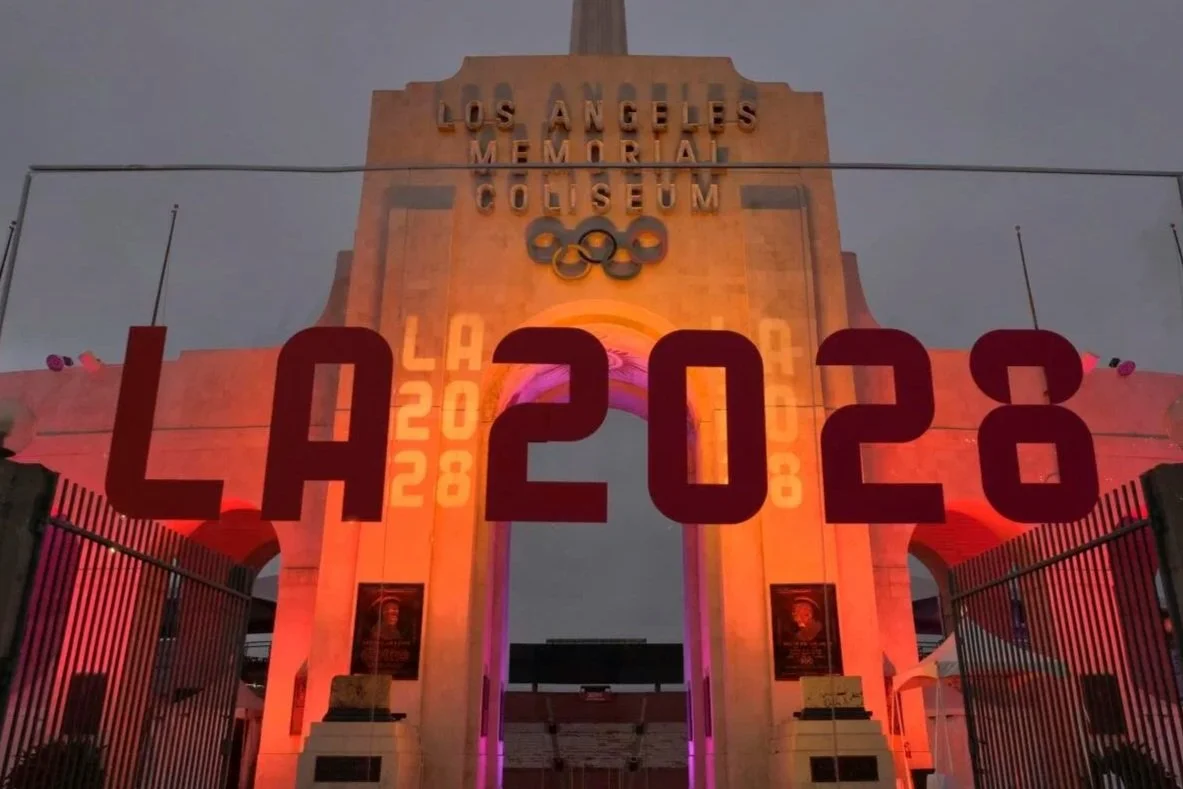
LA28: What Brands Need to Know About the Next Olympic Games in Los Angeles
Why the 2028 Olympic Games represent one of the biggest marketing, cultural and commercial opportunities in the coming decade.
The 2028 Olympic and Paralympic Games — known as LA28 — will mark the third time Los Angeles has hosted the Olympics, following 1932 and 1984. But unlike previous editions, LA28 will unfold in a vastly different commercial, cultural and technological environment.
For brands operating in the US — and for Australian brands preparing to enter the market — LA28 represents a rare convergence of global attention, local cultural momentum and major economic uplift.
This article outlines the key dynamics shaping LA28 and what brands should understand as they plan for the years ahead.
1. A Games Built Around Existing Infrastructure
LA28 is unique among modern Olympics because Los Angeles already has the stadiums, venues and facilities required to host global sport at scale.
Key venues include:
SoFi Stadium
Crypto.com Arena
LA Convention Center
UCLA and USC campuses
Santa Monica and Long Beach coastal venues
This infrastructure-first model reduces build pressure, lowers risk and allows organisers to focus resources on storytelling, cultural engagement and fan experience.
2. A Multi-City Cultural Moment, Not Just a Sporting Event
While events will be anchored in Los Angeles, LA28 will spill into nearly every part of California.
Major hubs include:
Downtown LA
Hollywood
Santa Monica
Pasadena
Long Beach
South Bay/Inglewood
This creates a distributed cultural moment that touches tourism, hospitality, retail, tech, entertainment and sport simultaneously — making it relevant far beyond traditional Olympic sponsors.
3. The LA Advantage: A Global Entertainment Capital
Unlike previous Olympic host cities, Los Angeles is already home to:
The world’s largest entertainment ecosystem
Major sports leagues and franchises
Influencers, creators and cross-cultural talent
Tech and gaming companies
Fashion, streetwear and sneaker culture
A massive Latino/Hispanic population shaping national culture
LA28 will sit at the intersection of all of these forces. For brands, this means the Games will behave less like a two-week sporting event and more like a multi-year cultural amplifier.
4. A Games Designed for a New Generation
The LA28 organising committee has signalled that these Games will be built for younger audiences and the creator economy.
Expected themes include:
A stronger focus on social platforms and digital storytelling
Integration of creators, influencers and community voices
New approaches to merchandising, licensing and fan experiences
Greater accessibility through streaming and on-demand content
The potential introduction or expansion of youth-oriented sports
This aligns closely with how US consumers — especially younger demographics — now engage with sport.
5. The Economic Impact Will Be Significant
Independent economic studies predict LA28 will generate billions in economic activity, with major lift in:
Tourism
Hospitality
Transportation
Retail and consumer spending
Local job creation
Brand activations and partnerships
For companies entering the US market, operating in LA during this period means entering a city experiencing rare global attention and economic acceleration.
6. Local Communities Will Shape the Narrative
LA28 has emphasised community inclusion, youth sport investment and long-term legacy projects.
Key commitments:
Expansion of youth sports programs across Los Angeles
Partnerships with schools, local organisations and city agencies
Efforts to make the Games financially sustainable
Legacy investments beyond 2028
Brands aligning with LA28 themes will need to consider community resonance, not just commercial visibility.
7. The Opportunity for Non-Sponsors
While only a limited selection of companies become official Olympic sponsors, many brands meaningfully participate in the cultural environment surrounding the Games.
Non-sponsor opportunities often include:
Localised campaigns and brand storytelling
Partnerships with athletes, creators and teams
Retail experiences and pop-ups near major venues
Hospitality and community initiatives
Content marketing, documentaries and social storytelling
Aligning with sports that benefit from Olympic visibility
The most effective brand participation is culturally relevant, not opportunistic.
8. Why LA28 Matters for International Brands — Especially Australian Ones
For Australian companies exploring US expansion, LA28 coincides with a period when:
LA will be the centre of global cultural attention
The city’s sporting infrastructure will be highlighted
Tourism will spike
Major media and creator activity will increase
Partnerships become easier to form due to heightened momentum
Sporting categories with Australian strength (boxing, swimming, rugby sevens, surfing) receive global visibility
For many brands, LA28 will act as a catalytic moment — offering a window to enter, reposition or accelerate in the US market.
The Bottom Line
LA28 will not simply be an Olympic Games — it will be a multi-year cultural, economic and marketing event that reshapes Los Angeles and amplifies global attention on the city.
For brands already operating in the US or preparing to enter the market, understanding LA28’s scale, context and cultural impact is essential. It represents one of the most significant opportunities of the decade for storytelling, partnership, community engagement and long-term positioning.