
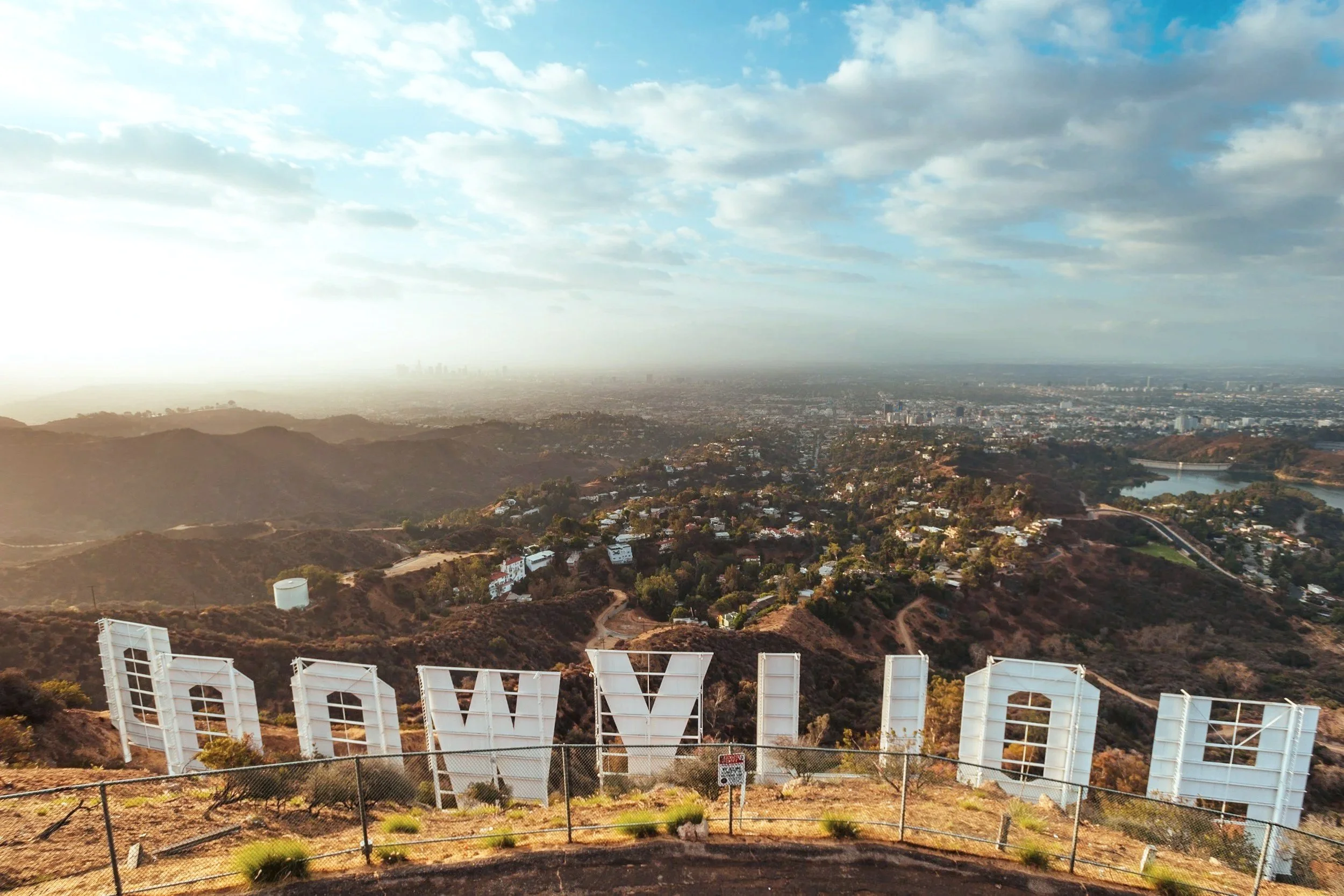
SPORT: THE Socceroos & The FIFA WORLD CUP 2026
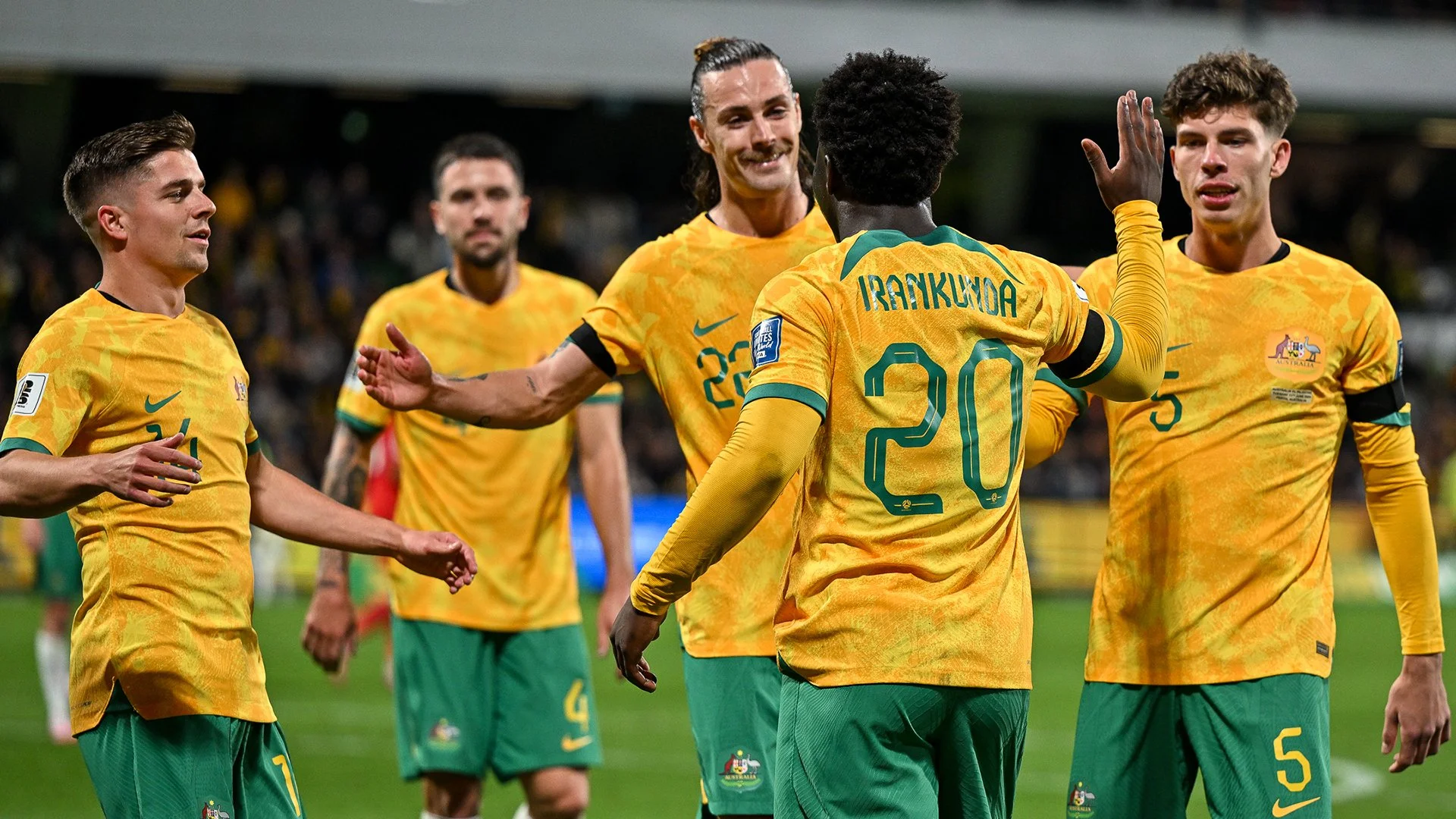
FIFA World Cup 2026: A Landmark Moment for the United States — and a Major Opportunity for Australia
What the world’s biggest sporting event means for the US market, the Socceroos, and Australian brands looking to expand into North America.
In 2026, the United States will co-host the FIFA World Cup alongside Canada and Mexico — the first time the tournament has been held in North America since 1994.
With 48 teams, expanded cities, and an unprecedented global footprint, the 2026 edition will be the largest World Cup in history.
For the US, the event represents a defining moment for soccer’s growth. For Australia, it presents a rare alignment of sporting significance, cultural opportunity and commercial potential — particularly for Australian brands exploring or growing a presence in the North American market.
This article outlines the key dynamics at play and what the 2026 World Cup means for the Socceroos, Australian businesses and the broader Australia–US relationship.
1. A World Cup on an Unmatched Scale
The 2026 tournament will be the biggest World Cup ever staged.
Key features include:
48 participating nations (up from 32)
16 host cities across the US, Canada and Mexico
Matches staged in major US stadiums such as AT&T Stadium (Texas), MetLife Stadium (New Jersey), and SoFi Stadium (Los Angeles)
An estimated 5 billion global viewers
Millions of fans expected to travel across North America
The scale of the event places it alongside LA28 as one of the decade’s most significant cultural and economic moments in the US.
2. The US Soccer Boom Has Already Started
Even before 2026, soccer in the US is experiencing rapid growth:
Record attendance in Major League Soccer (MLS)
Surging youth participation
Global stars increasing visibility (e.g., Lionel Messi in MLS)
Expanding fandom across Hispanic, Gen Z and multicultural audiences
The 2026 World Cup is expected to accelerate this trajectory dramatically — cementing soccer as a top-tier sport in the US and creating fertile ground for global brands.
3. What It Means for the Socceroos
For Australia, qualification for the 2026 World Cup holds major significance. The Socceroos’ historic run in 2022 captured global attention, and 2026 provides an even larger platform.
Key opportunities:
Increased exposure: A US-based World Cup will attract enormous global media coverage.
Supporter base expansion: The large Australian diaspora in the US — particularly in California, Texas and New York — creates built-in pockets of support.
Cross-cultural visibility: With matches played in diverse, multicultural US cities, the Socceroos can reach new audiences.
Athlete partnerships: Players may gain new sponsorship, endorsement and content opportunities aligned with US and global brands.
Should Australia qualify, the 2026 World Cup will be one of the most important visibility moments for Australian football in the modern era.
4. Why 2026 Matters for Australian Brands
The World Cup’s footprint across the US makes it a unique opportunity for Australian companies — especially those in sport, lifestyle, health, fashion, food, tourism and consumer goods.
Reasons the event is strategically important:
A. High Concentration of Global Attention
With fans, media, creators and influencers traveling across North America, the US will be the epicentre of global sport and culture for several weeks.
B. US Cities Will Become Global Stages
Host cities such as Los Angeles, New York, Miami, San Francisco, Dallas, Houston and Seattle align closely with where many Australian brands choose to enter the US market.
C. Soccer Is a Multicultural, Youth-Driven Sport
This aligns with key growth demographics for Australian brands — including Hispanic, Asian, Middle Eastern and Gen Z audiences.
D. Content and Creator Opportunities
The World Cup generates massive demand for content, storytelling, hospitality, collaborations and cultural experiences.
E. Brand Relevance Without Official Sponsorship
While official FIFA sponsorship is limited and costly, brands can still participate through:
Athlete partnerships
Team or federation collaborations
Localised campaigns
Creator activations
Retail experiences
Community events
Tourism and travel initiatives
The cultural halo extends far beyond the stadiums.
5. What Makes This Event Particularly Relevant to Australia
Australia has unique advantages tied to the 2026 World Cup:
A well-known sporting identity internationally
A globally respected football culture post-2022
A strong expat community across the US
Positive perceptions of Australian lifestyle, health and sport
Increased US interest in Australian athletes, coaches and sports systems
This environment makes the US more receptive than ever to Australian products, ideas and creative exports.
6. A Moment That Aligns With LA28
The 2026 World Cup also sits just two years before the 2028 Olympic Games in Los Angeles — creating a multi-year window where sport, culture and global attention will be consistently elevated in the US.
For brands planning US expansion, the period between 2025–2028 represents a rare strategic runway.
Final Thought
The FIFA World Cup 2026 is more than a sporting event — it’s a cultural and commercial catalyst.
For the United States, it accelerates soccer’s rise and unlocks new economic momentum.
For the Socceroos, it offers unprecedented global visibility.
For Australian brands, it presents a unique opportunity to enter or expand within the US at a moment when the world’s attention is squarely focused on North America.
As part of a broader US growth strategy — alongside events like LA28 — the 2026 World Cup can serve as a powerful platform for storytelling, partnerships and long-term brand building.