

WASHINGTON: TRUMP, TARIFFS, OH MY
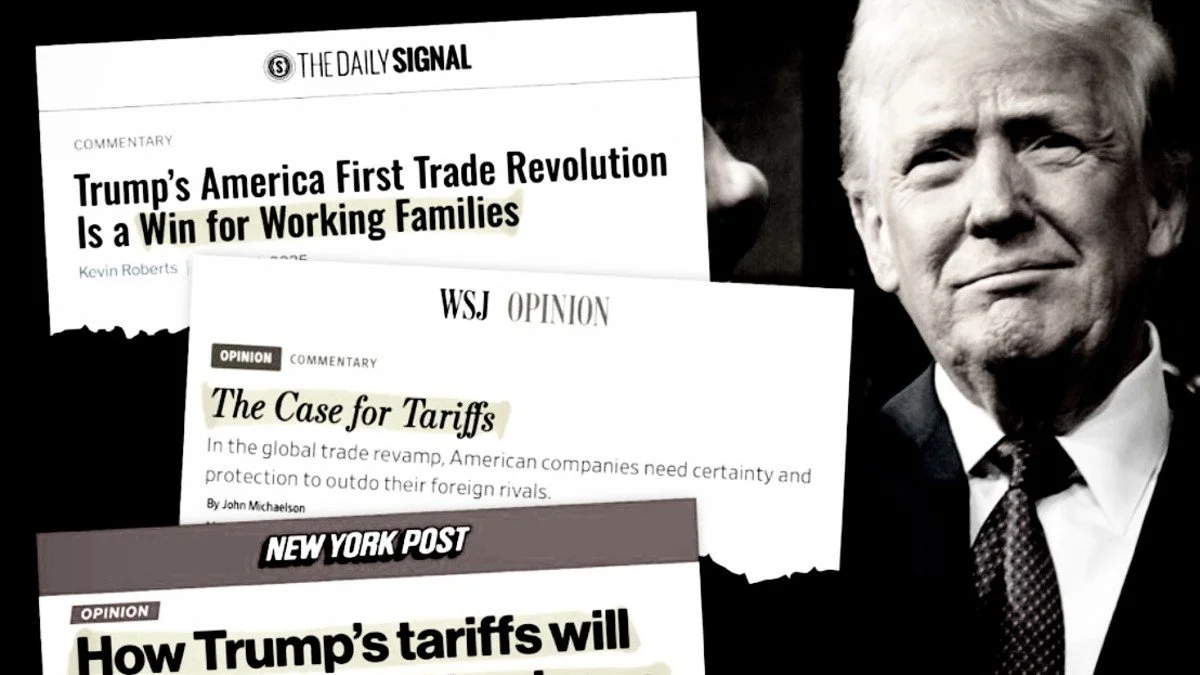
US Tariffs 2025: What Australian Brands Should Know Before Launching in America
As of December 1, 2025 — a guide for Aussie exporters, DTC brands and founders evaluating US expansion.
The US is no longer presumptively open to imports — 2025 has seen sweeping tariff reforms that reshape the cost, risk and complexity for any Australian brand exporting to or launching in the United States. If you’re planning to enter the US market now or soon, this is a reality you can’t ignore.
Here’s a breakdown of the current state of play, implications for different kinds of exporters, and practical considerations for Australian brands eyeing the US.
What’s Changed: Key Tariff Updates
As of April 5, 2025, the US introduced a 10% baseline tariff on most imported goods, including those from Australia — overturning many of the preferential import arrangements previously assumed under the Australia–US trade relationship. Andersen in Australia+2dfat.gov.au+2
For certain categories deemed “sensitive,” steeper tariffs now apply under sector-specific rules: e.g., steel and aluminium face up to 50% tariffs, autos and vehicle parts are hit with 25% tariffs, and other metals like copper, along with derivative goods, may carry elevated duties. dfat.gov.au+2macmillan.law+2
On August 29, 2025, the US suspended the “de-minimis” duty-free threshold that previously allowed small parcels (under US $800) to enter without tariffs. This means even low-value orders are now subject to applicable tariffs and customs duties. dfat.gov.au+1
While Australian exports as a whole are meeting the baseline 10% tariff (plus any category-specific rates), by global comparison this remains on the lower end of recent US tariff measures — some nations are facing far higher import duties. aigroup.com.au+1
In short: exporting from Australia to the US is now more expensive, more regulated, and carries new questions around landed cost, pricing, and competitiveness.
What This Means for Australian Brands Considering a US Launch
Higher landed costs — across the board
For consumer goods, fashion, beauty, lifestyle products, homewares — almost anything that isn’t locally manufactured in the US — the 10% tariff becomes a built-in cost. Add shipping, customs, compliance and possible higher tariffs for materials, and your landed cost could rise significantly.
This has several knock-on effects:
Margins shrink — brands must decide whether to absorb tariff costs or pass them on, risking price sensitivity.
US retail positioning becomes harder — higher wholesale price tags challenge competitiveness vs domestic or other lower-cost global alternatives.
DTC/e-commerce from Australia to the US is more complex — small parcels no longer slip under de-minimis; every shipment needs accurate paperwork (country-of-origin declarations, HS codes, correct valuations) and duties paid before arrival.
Material-heavy, industrial or metal-linked goods face steeper barriers
If your brand involves metalwork, industrial design, furniture with steel/aluminum parts, automotive components, or related products — be prepared for tariffs of 25–50% or more. That dramatically affects product economics and may make US entry impractical without reconsidering sourcing or manufacturing location. dfat.gov.au+1
Volatility and uncertainty — harder forecasting
Because the tariff changes came via executive policy, with broad scope and ongoing investigations under security legislation (e.g., for steel/aluminum), the environment feels unstable. Long-term price commitments, inventory planning, and launch forecasting carry more risk than in prior years. PwC+2amcham.com.au+2
Consumers — may face higher prices, reduced import variety
As US importers factor tariffs and compliance into pricing or margins, US consumers could see higher prices, fewer small-import offerings, slower shipping, or reduced demand — all of which feed back into Australian brands’ viability.
Strategic Implications: Who’s Hurt — Who Can Still Win
Brands Most at Risk:
Small to mid-size Australian DTC or e-commerce sellers shipping directly to US consumers (especially with frequent small orders).
Producers reliant on metal, industrial inputs, or heavy materials.
Exporters of high-volume or low-margin products where a 10–50% cost increase kills margin.
Fashion/footwear/consumer goods businesses that can’t absorb the tariff without raising price.
Opportunities / Brands Better Positioned:
Australian brands that bring unique value or brand prestige — where premium positioning might absorb tariff without eroding perceived value.
Brands willing to localise supply chains or manufacturing (e.g. shifting production to the US or neutral third-country) to bypass tariff exposure.
High-end, heritage or niche “Australian story” products where differentiation matters more than cost.
Exporters who plan inventory ahead, bulk shipments, smart HS-coding, and compliance management, to optimise landed cost and avoid surprises.
Brands using hybrid models (local US warehousing, 3PL, fulfilment centres) to mitigate post-import duties and streamline logistics.
What Australian Brands Should Do Right Now (Practical Checklist)
Re-run your cost models — include the 10% base tariff and any higher applicable tariffs in landed cost calculations.
Audit product composition — identify if any materials (metals, auto parts, heavy goods) trigger higher Section 232 tariffs.
Set up robust logistics and compliance processes — ensure customs paperwork is complete (Country of Origin, HS codes, value declared), preferably using 3PLs or compliance-savvy partners.
Consider localising inventory/warehousing — US-based warehousing or fulfilment can help decouple some logistics pain and soften consumer pricing.
Re-examine pricing and positioning for US market — premium or brand-driven products may weather tariffs better than volume/commodity goods.
Monitor policy updates continuously — US trade policy remains fluid; keep an eye on legislative and executive actions that may shift tariffs again or introduce exemptions.
Align go-to-market strategy with added friction — plan fewer SKUs, consolidated shipments, and grant extra lead time for customs and duties clearance.
What’s Still Uncertain — and What to Watch
While the blanket 10% tariff is established, many sector-specific tariffs remain under review or subject to further enforcement, which could impact materials, imports or goods in unexpected ways. PwC+1
The removal of the de-minimis exemption is new as of August 2025. Enforcement and customs processing remain unpredictable as systems adjust. auspost.com.au+1
US trade policy under the current Administration continues to evolve rapidly; further tariffs, subsidies, or regulatory measures (e.g. on environmental or security grounds) remain possible.
For some industries (e.g. metals, automotive parts, industrial goods) additional U.S. domestic regulatory or compliance requirements may come into play, beyond just tariffs.
What This Means for Australian Founders and Export-Minded Brands
The new US tariff landscape chops away at some of the traditional advantages of exporting from Australia to the US. What used to be a cost-of-doing-business — shipping, import clarity, price arbitrage — now involves added tariffs, compliance burdens, and landed-cost risk.
For Australian brands that assumed US expansion through e-commerce or wholesale would be straightforward, the math may no longer hold.
That said — for brands built on strong positioning, premium value, differentiated products or a compelling Australian origin story — it remains possible to enter the US successfully. But it requires more rigorous planning, sharper cost forecasting, supply-chain discipline, and perhaps local or hybrid execution (warehousing, 3PLs, partial US manufacturing or sourcing).